
You and Your Brain 5: SEL and Anatomy of the Brain
Dear Friend,
Parents and teachers are on the frontlines of laying a foundation for their students’ lifelong success and well-being. They empower individuals to thrive emotionally, socially, and academically. The crucial skills and competencies required for navigating life effectively emphasize not just academic success but also Social and Emotional Learning (SEL).
SEL is an essential aspect of human functioning that is deeply intertwined with the way our brains function.
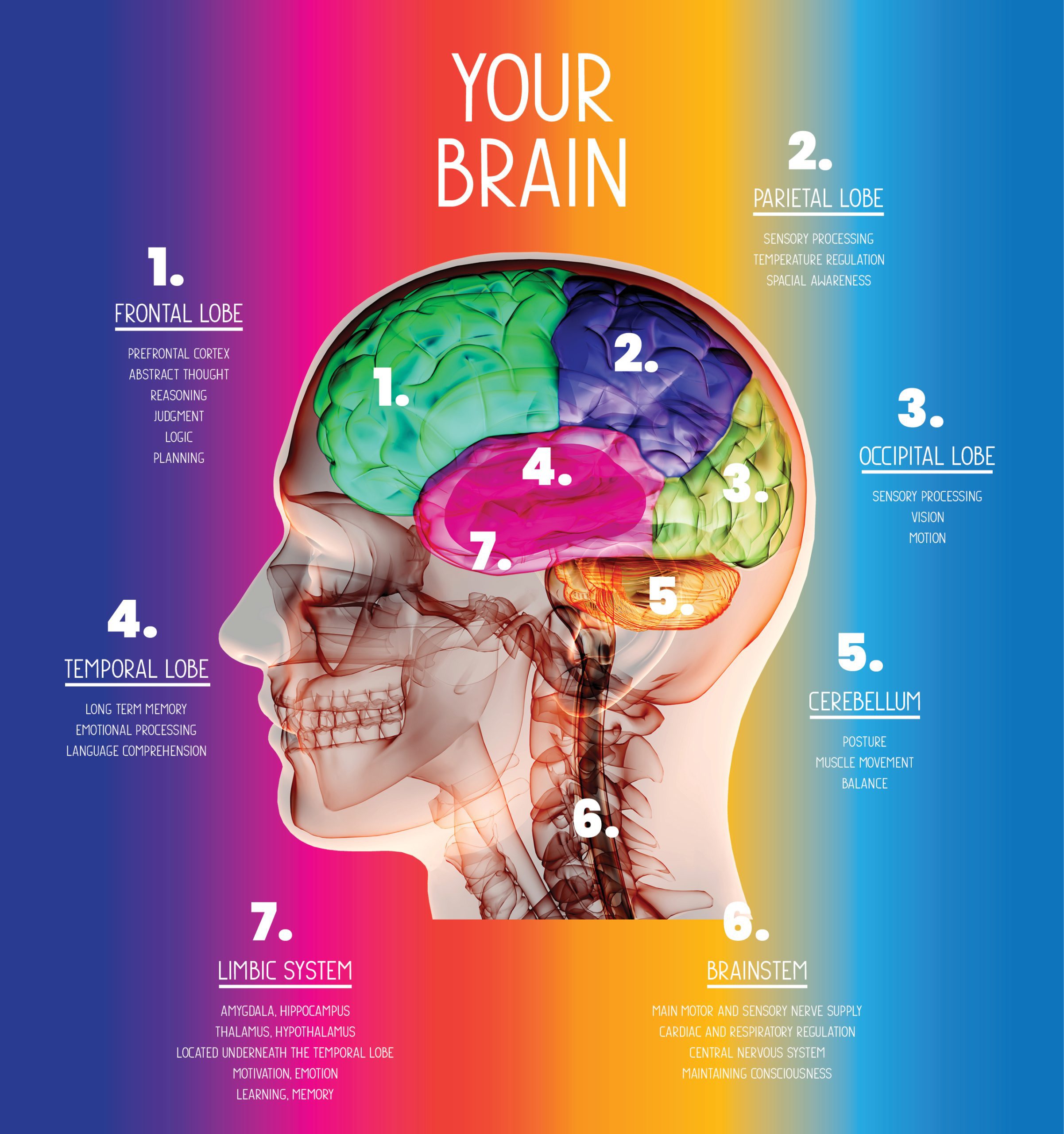
The prefrontal cortex, responsible for higher-order thinking, is particularly affected by our emotional states. When we experience negative emotions like fear, anger, or anxiety, there tends to be less activity in this region, impacting our ability to think clearly and make rational decisions.
Conversely, positive emotional states correlate with increased cognitive activity, facilitating better learning and problem-solving. Thus, recognizing and managing our emotions is crucial for optimal cognitive functioning and effective learning.
In You and Your Brain, Lesson 5, we examine the anatomy of the brain and its four lobes to learn where and how social-emotional learning and development take place.

Mindfulness Activity of the Week
Imagine Life as an Early Homo Sapien
Write down your answers or discuss them with your students, family, or friends.
Your prefrontal cortex governs higher cognition, planning, and proper social behavior. Can you imagine what life was like before humans developed a prefrontal cortex? Talk about being socially awkward!
Without the ability to plan ahead and interact with others appropriately, what do you think relationships were like for early humans? Describe.
How far have we come? What situations cause you to act like a cave person because of fear or anger?
How we resolve conflict impacts the relationships we have with ourselves and others.
- Do you—or does someone in your life—create conflict for stimulation and attention? What does this look like?
- Do you—or does someone in your life—avoid conflict by being a people-pleaser? This looks like saying ”yes” to things you don’t want to do because saying “no” feels uncomfortable or challenging.
- Do you—or does someone in your life—retreat from or avoid conflict no matter how big or small the issue?

Movement Activity of the Week
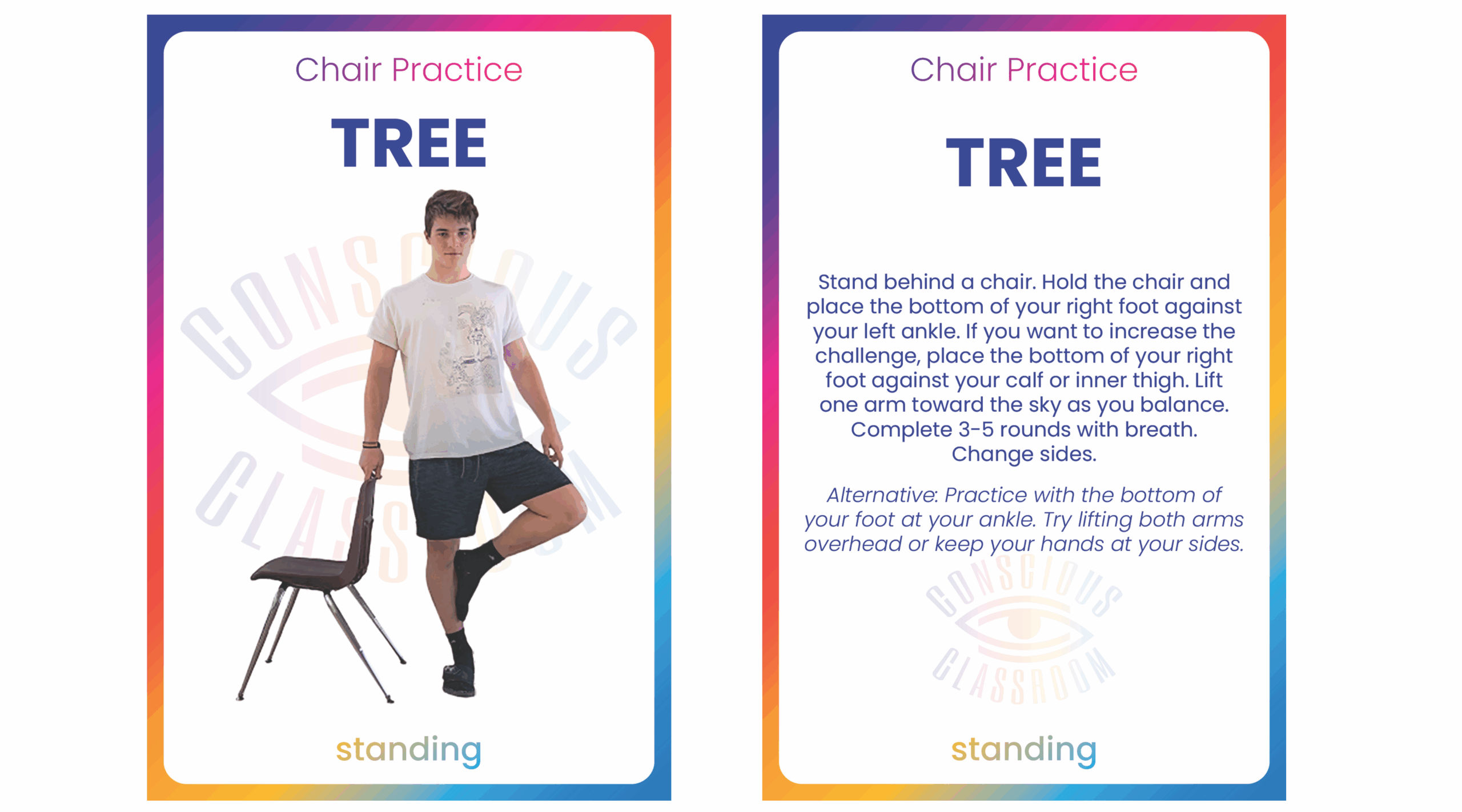
Tree – Chair Practice
Practice aligning your mind and your body.