
Neurotransmitters 10: Adrenaline
Have you ever experienced an adrenaline rush? What was it like? Where in your body did you feel it? How did it affect you?
Did you know that adrenaline, also known as epinephrine, can positively and negatively affect decision-making?
Adrenaline can make it difficult to think clearly and make rational decisions when someone is stressed or feels threatened. It can trigger our primitive brain, our amygdala, to initiate a “fight or flight” response, leading to increased heart rate and blood pressure. Adrenaline can also fuel muscles with energy, making it harder to focus and lead to rash, impulsive, emotional decisions.
Adrenaline can also help people develop situational awareness. Situational awareness is understanding how events and actions will impact goals and objectives. This can be especially important in situations where poor decisions could have serious consequences. When adrenaline floods our system with situational awareness, it helps to support our ability to make responsible decisions.

Mindfulness Activity of the Week
Risk Evaluation – Healthy or Harmful?
While adrenaline highs can feel good, they can also lead to risky behavior and adverse outcomes. Help your students learn the difference and how adrenaline can support responsible decision-making.
- Invite students to share and discuss negative ways they have experienced adrenaline and the risks they experienced.
- Next, invite students to discuss positive ways they have experienced adrenaline and how their experience supported responsible decision-making and favorable outcomes.

Movement Activity of the Week
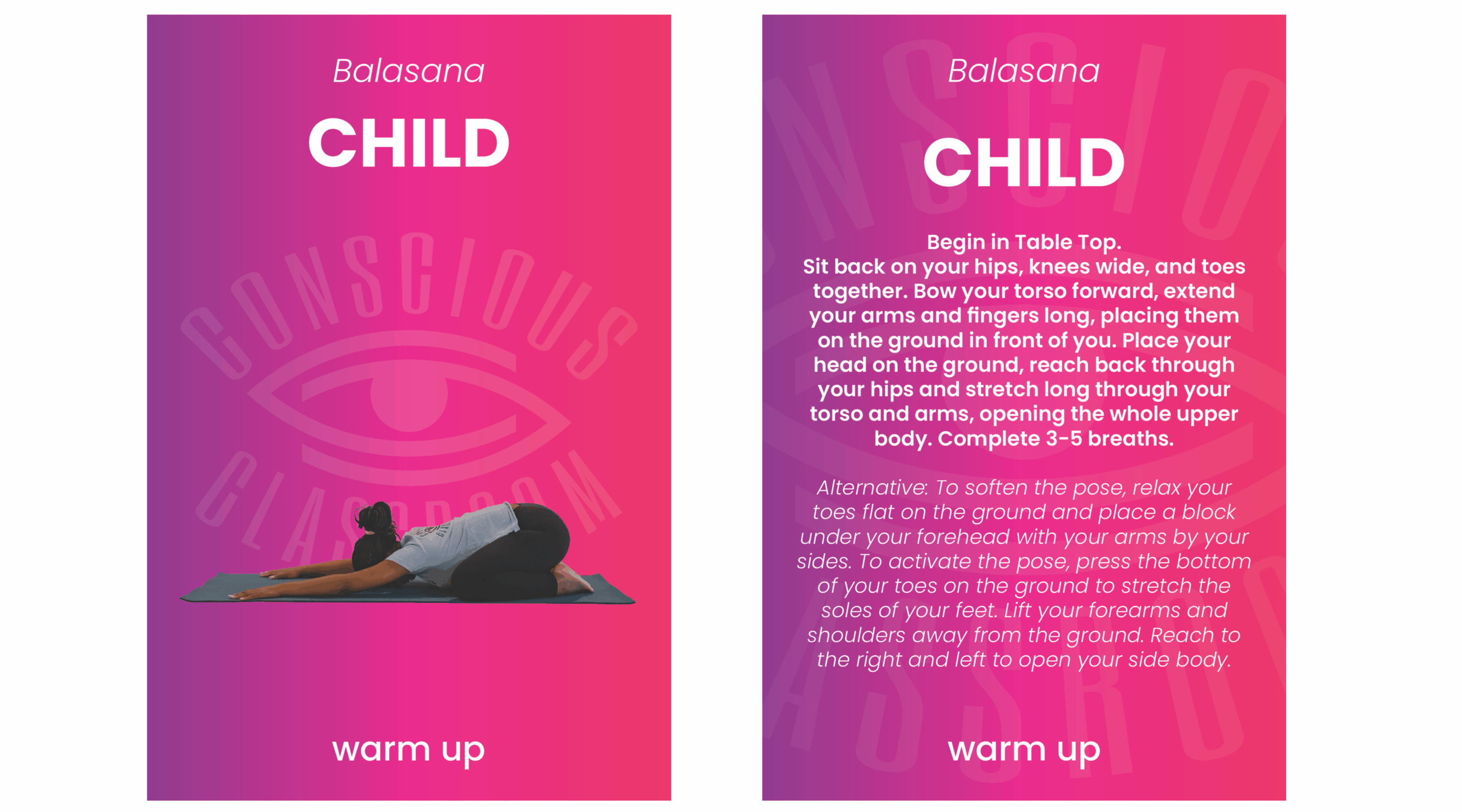
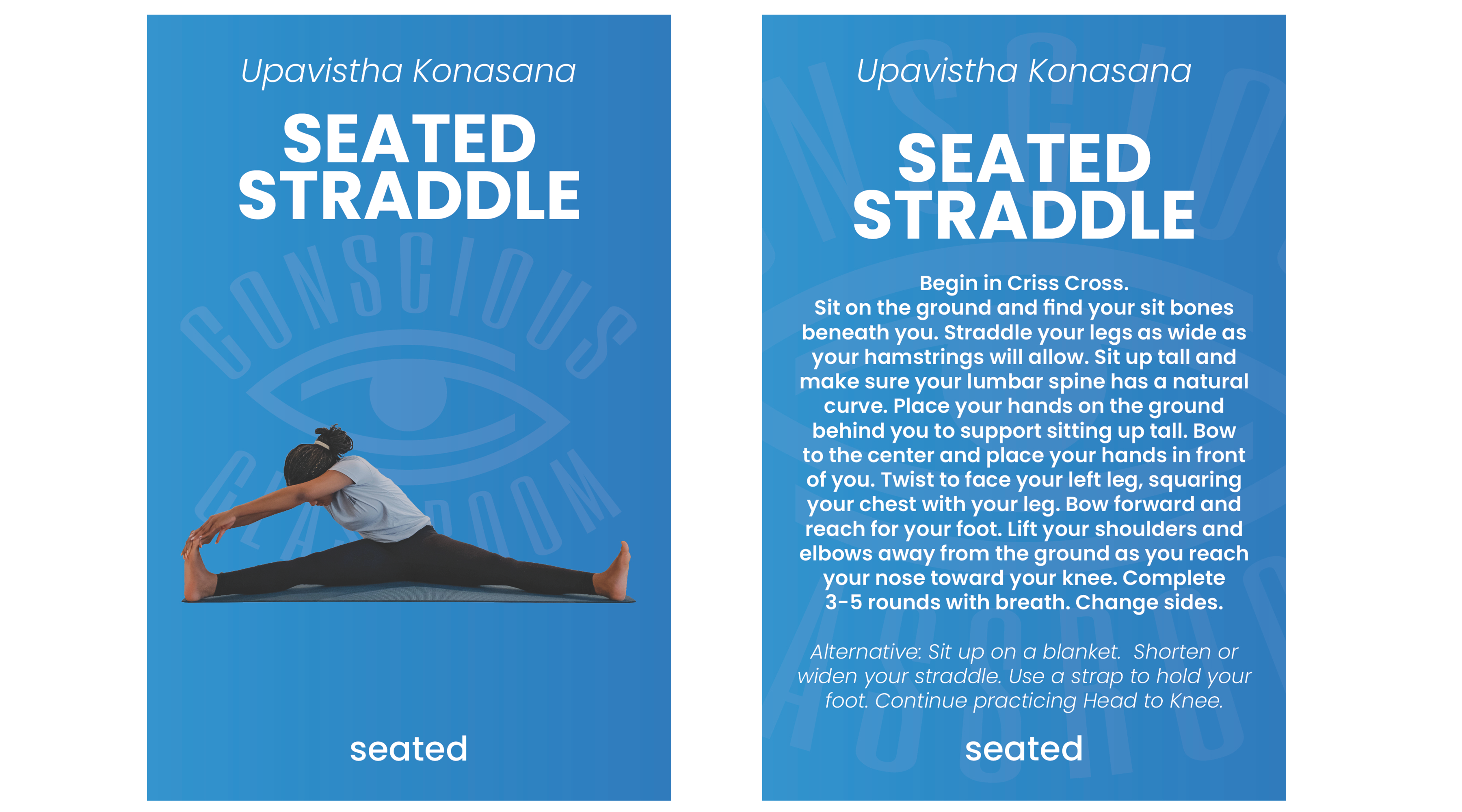
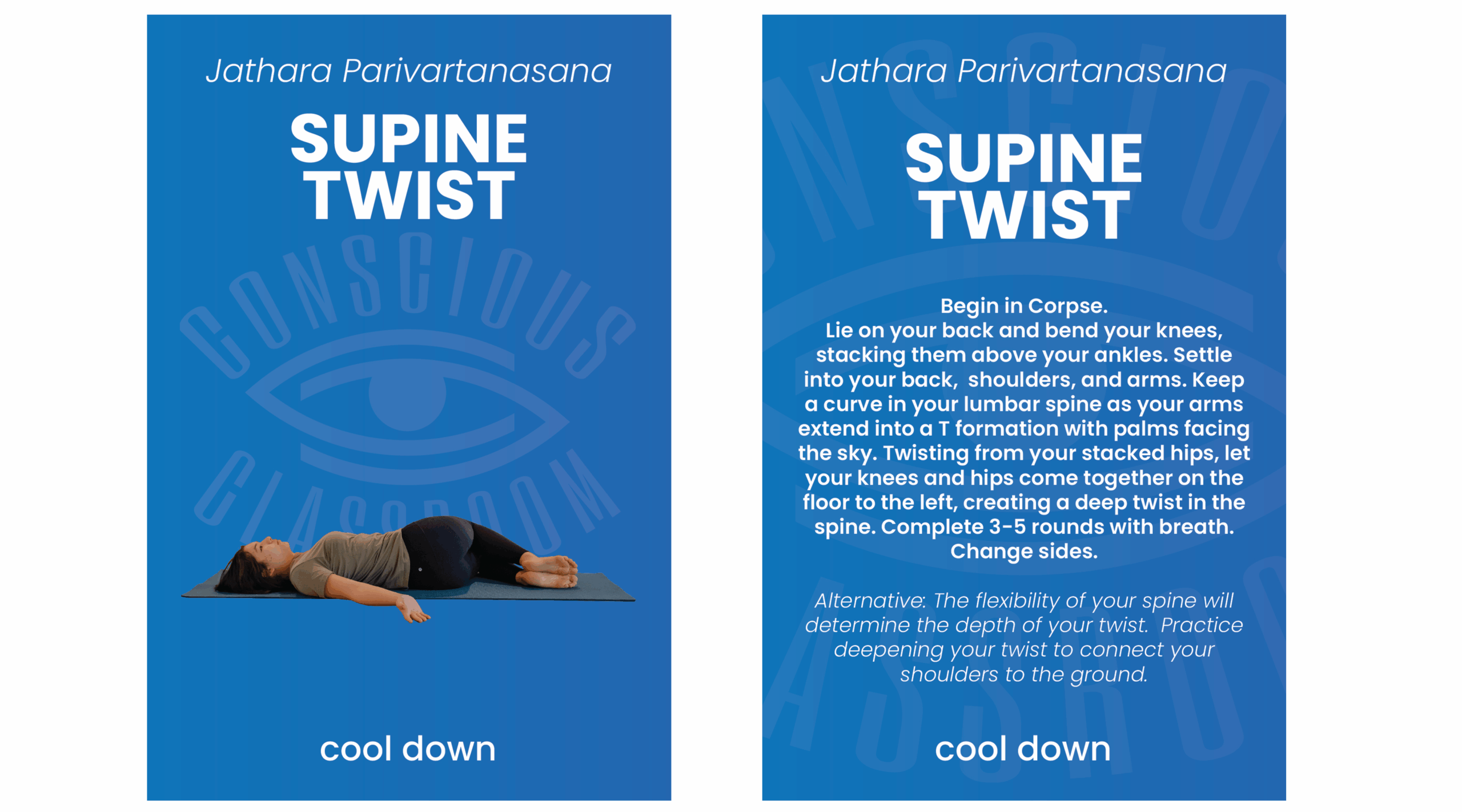
Adrenal Supporting Poses
Your adrenal glands are hat-shaped glands that sit on top of your kidneys. They can get overworked when you’re experiencing stress. This can cause adrenal fatigue. Try one or all of the poses in this series to help relieve stress and balance your hormones. Each pose supports increased blood flow and detoxification for your inner organs, including your kidneys and adrenals.